The Global Rise of Indian Street Food: Why Germany Can’t Get Enough of Chaat
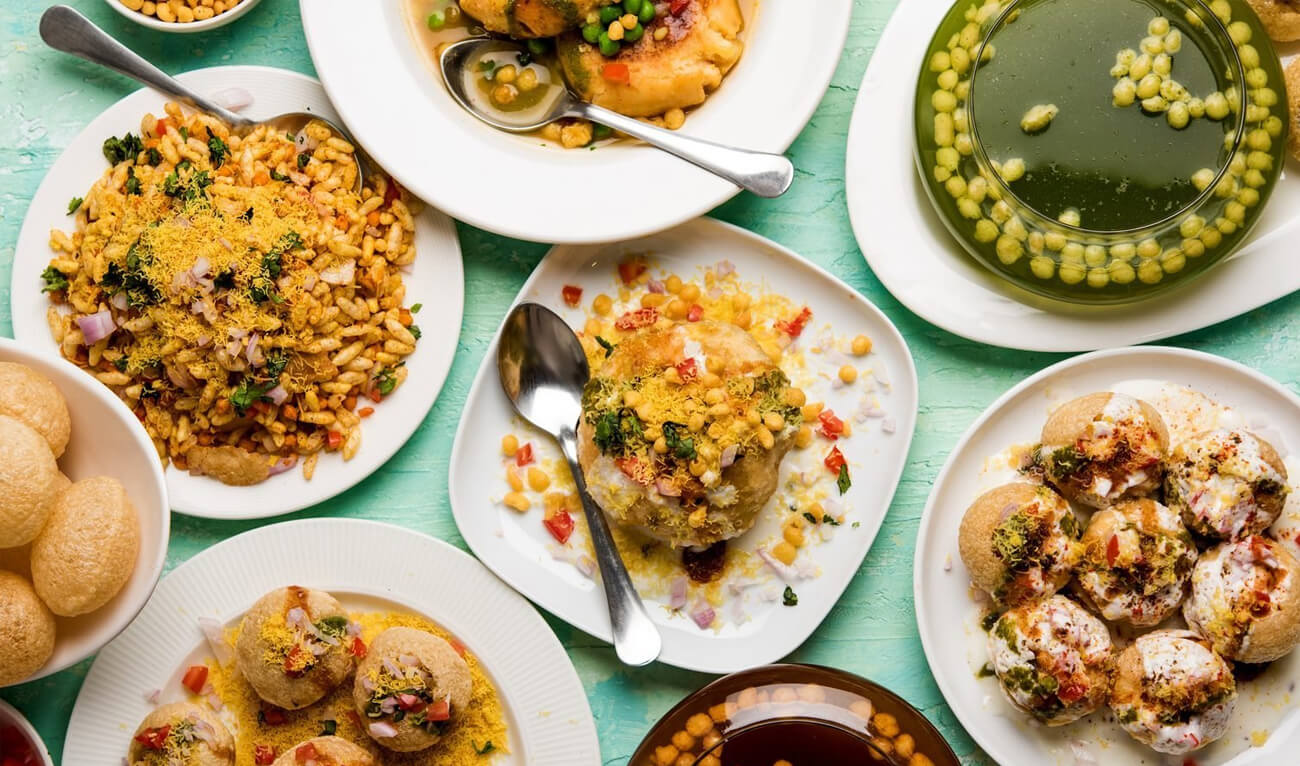
Indian street food is no longer just a local treasure — it’s a global sensation, and Germany is tasting its vibrant flavours one chaat at a time. From the tangy explosion of pani puri to the savoury comfort of samosa chaat, Indian street food has crossed borders and cultural barriers to become a favourite choice for food lovers in cities like Berlin, Munich, and Hamburg.
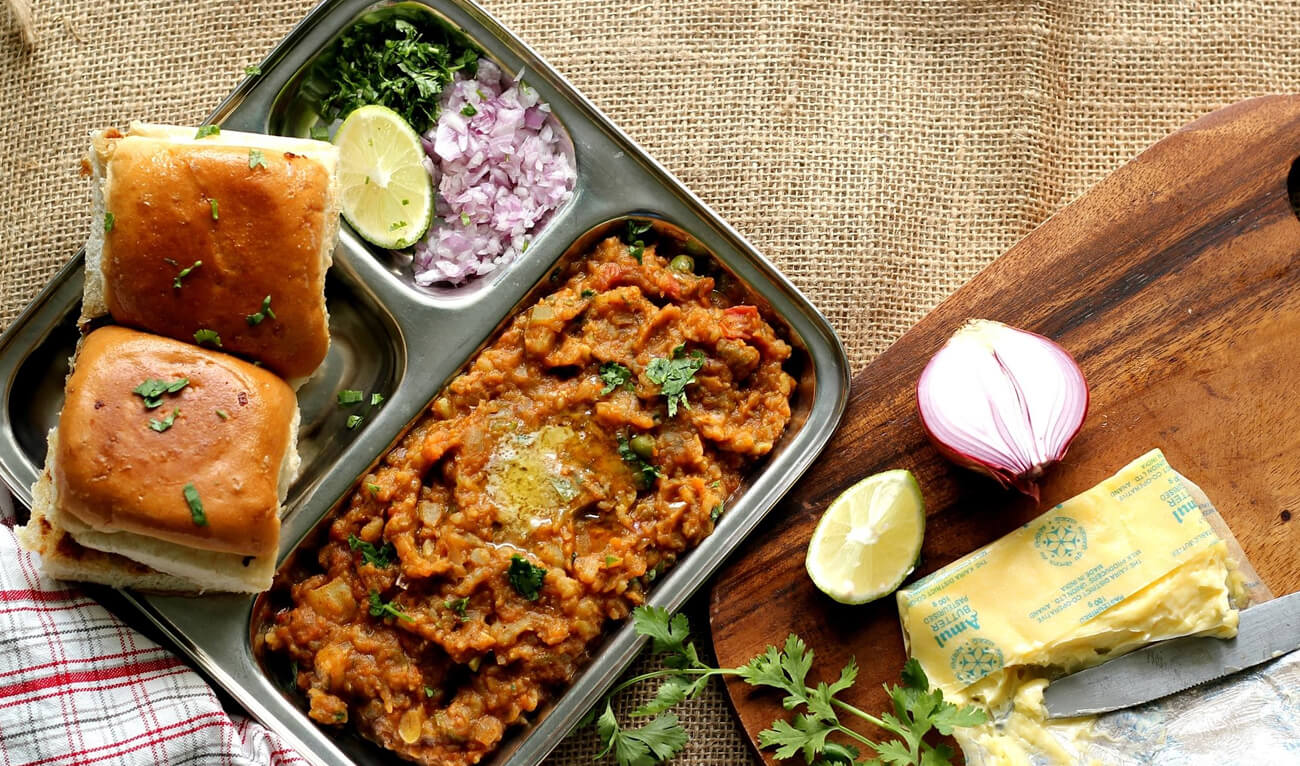
At its core, Indian street food is about contrast in flavour and texture — sweet meets spicy, crunchy meets soft, and tangy meets savoury. This playful combination is what makes dishes like gol gappe, bhel puri, and aloo tikki not just snacks, but experiences you want to revisit again and again.
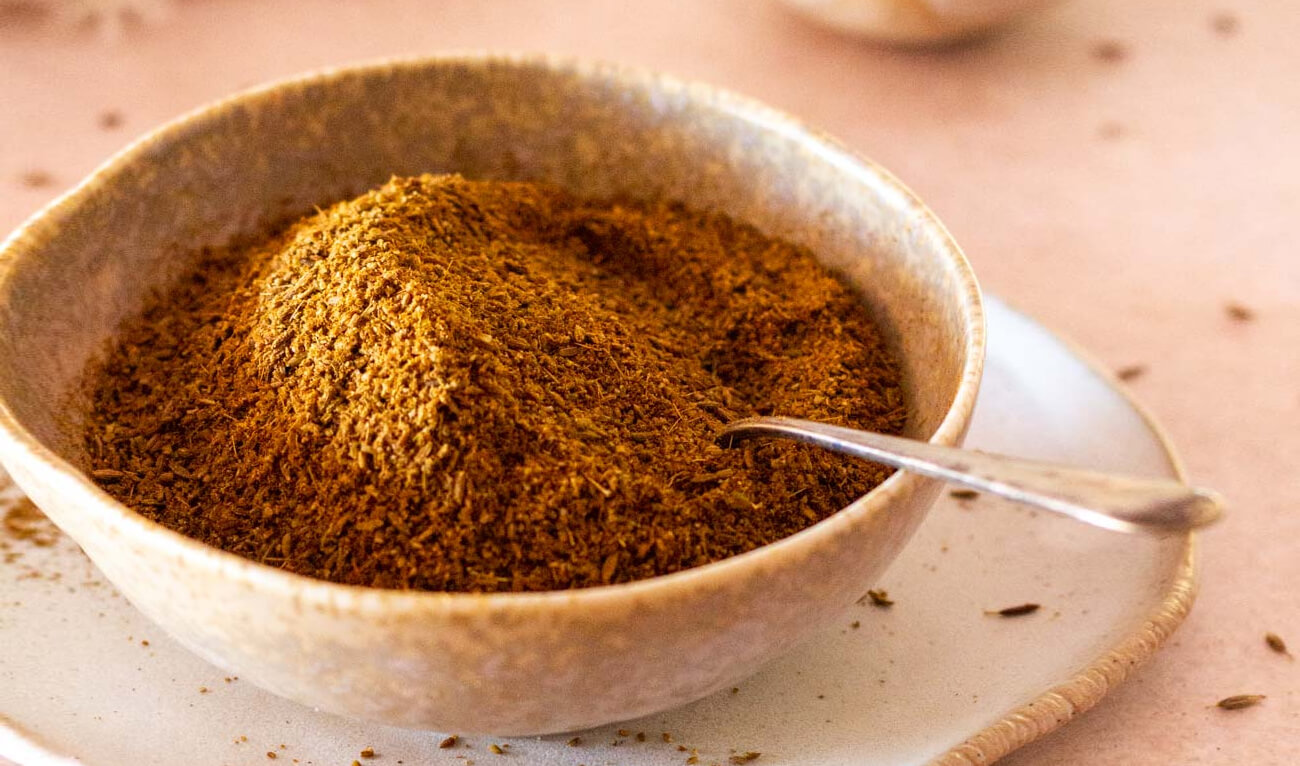
Germany’s multicultural food scene has embraced these bold tastes. Indian street food stalls and pop-ups often feature dishes seasoned with chaat masala — a spice mixture that adds irresistible zest and sharpness to every bite. Whether it’s pomegranate-topped dabeli or a classic sev puri drizzled with chutneys, the dynamic profiles keep food lovers returning for more.
Beyond the taste, the communal eating culture — where people gather, share, and savour together — resonates well with Germany’s growing interest in shared food experiences. Food festivals and local markets have increasingly featured Indian snacks, contributing to a trend where Indian street food is both a taste and cultural experience to explore.
As demand grows, the magic of Indian street food lies in its simplicity and ingenuity — using spices like chaat masala to elevate everyday ingredients into unforgettable flavour journeys. This fusion of tradition and trend is why Indian street food isn’t just food… it’s a global cultural movement.